
Learn How to Boost Your Business
Shop by Category

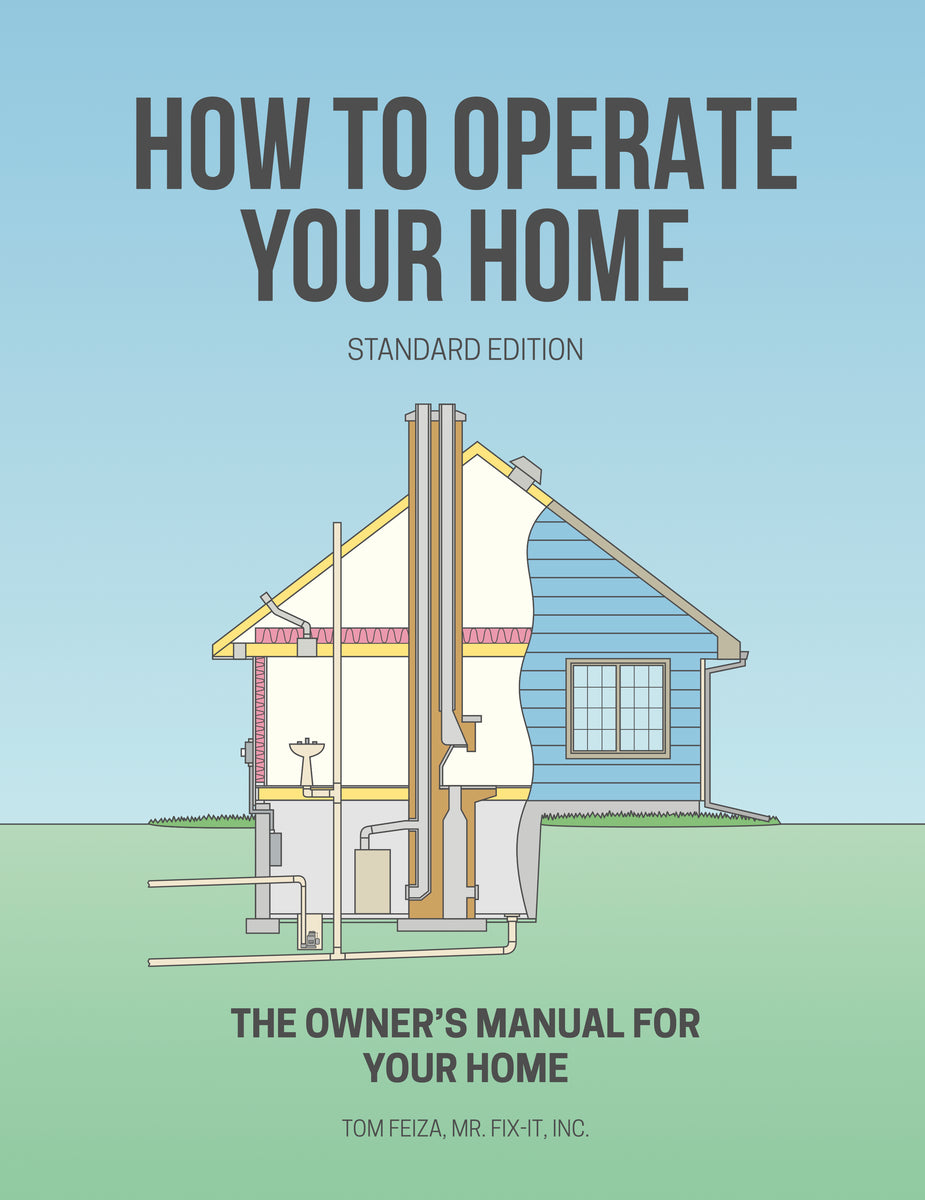
Stand Out From the Competition
92% of consumers believe recommendations from friends and family, over all forms of advertising. 65% of emails are ignored. In a world of crowded digital resources, give your customers something tangible.
The businesses that thrive are the ones that differentiate from the crowd, grow their customer base, and give homeowners something to remember!
How to Operate Your Home is here to offer you a unique marketing service that will help you maximize your leads, establish a good brand and educate your customers simply and easily!
Testimonials
This is a tremendous resource and we love the diagrams. This makes a robust gift for us to give to our clients and they appreciate it.

Very comprehensive and easy to read.

When customers receive the manual they light up and realize how helpful it is.
Thank You Tom F.

I have been giving the how to operate your home book to all of my customers for 9 years and they love the book.
I ordered a case to give out to new buyers at a marketing event
They really went over well buyers love the book
Easy to understand , well written
Book is light to ship and fits nicely with report. It can actually be part of the report .
This is a great finishing touch for my great indpection.
Great illustrations, however Im having trouble getting a clear picture on my reports. The illustrations are blurry. Maybe you can give me a call with some direction, thanks [****]

I'm now giving out these books to my customers at the end of their inspections. They seem to be fans. Added my business contact info, logos, etc to the covers. Here's hoping they wind up on their bookshelf for years until they need me again!

Great resources that we use in multiple ways with our home inspection customers and referral lead partners.

I provide a copy of “How to Operate Your Home” to all of my home inspection customers. Everybody is very thankful and really appreciates this “gift” and I hear back from many people how often they refer to their book when they have a question about their home.

Been using the Mr. Fixit series for years!
I am very much impreesed with detailed diagrams. I will use them in my reports.
customers love it....they all say "that's for me".....well worth the extra cost.....years after i get calls about the need for a home inspection and they tell me i got your number from a friend on the book you pass out....i tell my clients to follow the books maintenance and you will be a happy home owner.....in my 40 years of building, i must say i also learned a few things...explanations are spot on through the book
I’ve been sharing this book with my clients and they really enjoy receiving a copy. A fantastic educational tool and marketing device.
Best Sellers and New Arrivals
-
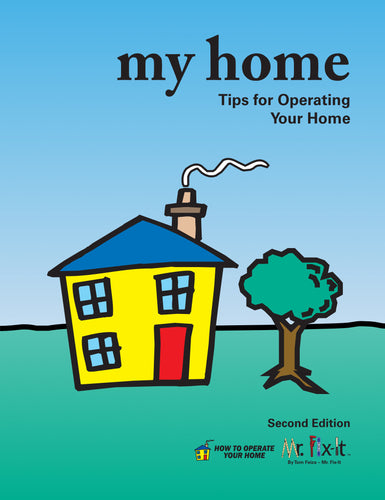
My Home - 62 Books, One Case
![]()
- Regular price
- $224.95 USD
- Sale price
- $224.95 USD
- Regular price
-
- Unit price
- per
Sold out -
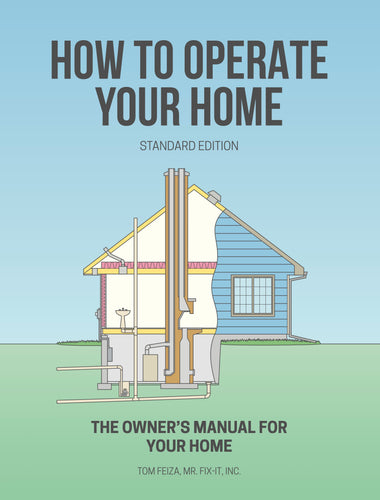
Standard Edition - 28 Books, One Case
![]()
- Regular price
- $149.95 USD
- Sale price
- $149.95 USD
- Regular price
-
- Unit price
- per
Sold out -
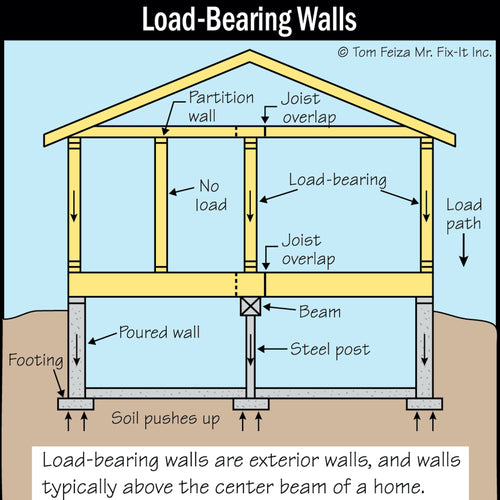
Home Systems Illustrated - 1,700+ Digital Image Collection
![]()
- Regular price
- $249.95 USD
- Sale price
- $249.95 USD
- Regular price
-
- Unit price
- per
Sold out -
How to Operate Your Home - Online eBook
![]()
- Regular price
- from $299.95 USD
- Sale price
- from $299.95 USD
- Regular price
-
- Unit price
- per
Sold out








SAMPLES AND SAVINGS


Free Sample Pack
The How to Operate Your Home Sampler is the perfect way to try out our digital images and content. Download the free sampler pack now!


Download Our Brochure
Want to know more about How to Operate Your Home? Download our free brochure with all the information you'll need to boost your business.


Special Offers & Deals
• 20% Off Your First Order
• 10% Off 3 or More Cases
• 15% Off 6 or More Cases
• 20% Off 10 or More Cases
Testimonials
This is a tremendous resource and we love the diagrams. This makes a robust gift for us to give to our clients and they appreciate it.
Very comprehensive and easy to read.
When customers receive the manual they light up and realize how helpful it is.
Thank You Tom F.
I have been giving the how to operate your home book to all of my customers for 9 years and they love the book.
I ordered a case to give out to new buyers at a marketing event
They really went over well buyers love the book
Easy to understand , well written
Book is light to ship and fits nicely with report. It can actually be part of the report .
This is a great finishing touch for my great indpection.
Great illustrations, however Im having trouble getting a clear picture on my reports. The illustrations are blurry. Maybe you can give me a call with some direction, thanks [****]
I'm now giving out these books to my customers at the end of their inspections. They seem to be fans. Added my business contact info, logos, etc to the covers. Here's hoping they wind up on their bookshelf for years until they need me again!
Great resources that we use in multiple ways with our home inspection customers and referral lead partners.
I provide a copy of “How to Operate Your Home” to all of my home inspection customers. Everybody is very thankful and really appreciates this “gift” and I hear back from many people how often they refer to their book when they have a question about their home.
Been using the Mr. Fixit series for years!
I am very much impreesed with detailed diagrams. I will use them in my reports.
customers love it....they all say "that's for me".....well worth the extra cost.....years after i get calls about the need for a home inspection and they tell me i got your number from a friend on the book you pass out....i tell my clients to follow the books maintenance and you will be a happy home owner.....in my 40 years of building, i must say i also learned a few things...explanations are spot on through the book
I’ve been sharing this book with my clients and they really enjoy receiving a copy. A fantastic educational tool and marketing device.